whkdzw027@qq.com
+86 15827230221
+86 027-86861986

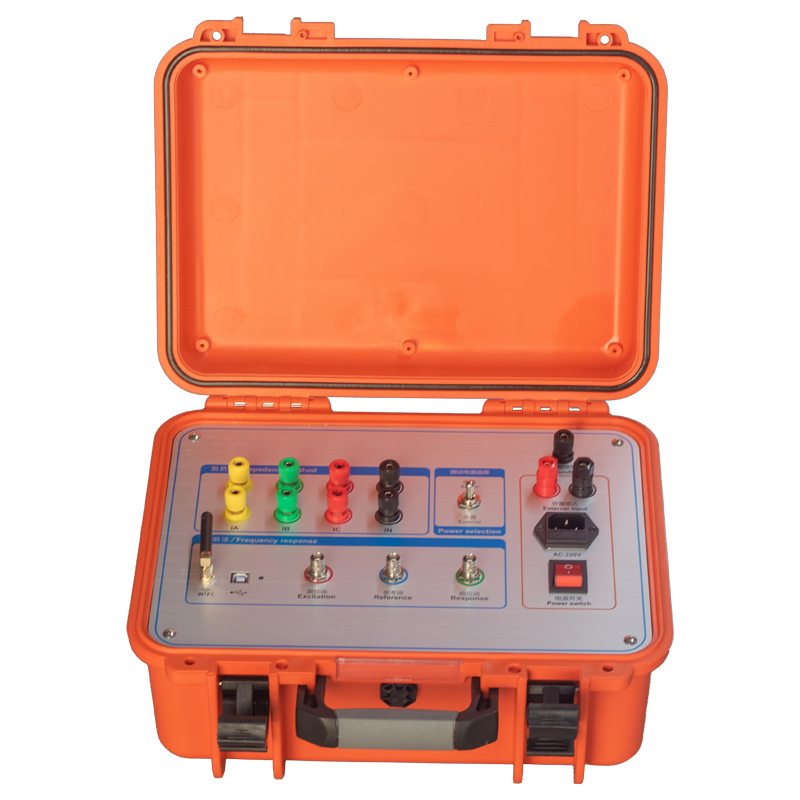
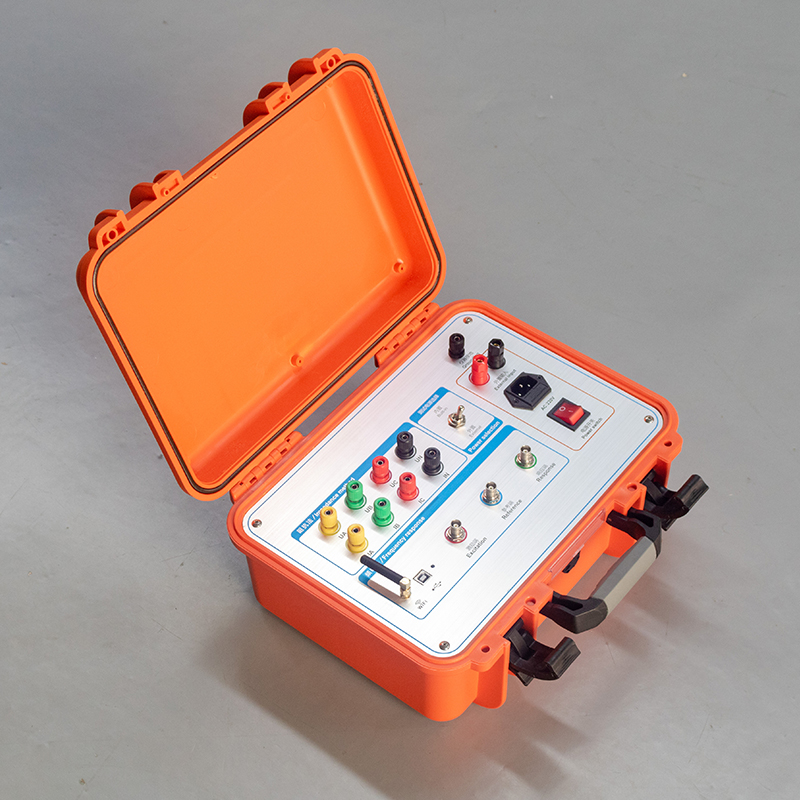
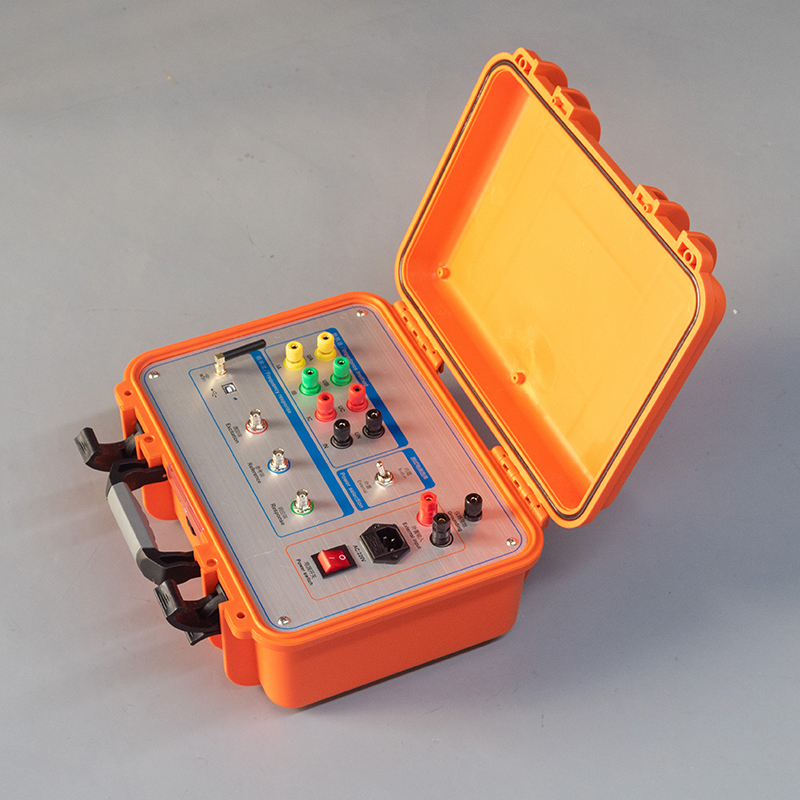
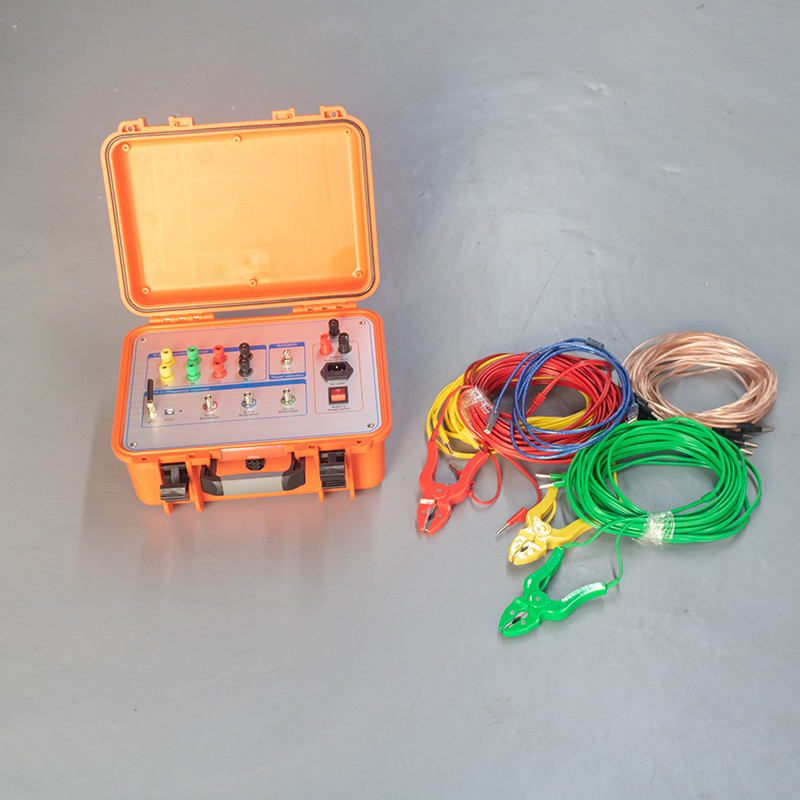
The KDRB-III Transformer Winding Deformation Tester features both linear frequency sweep measurement and segmented frequency sweep measurement dual measurement system functions, compatible with the two main technical approaches currently used domestically. The amplitude-frequency characteristics comply with national technical standards for amplitude-frequency characteristic testers. The horizontal axis (frequency) supports both linear and logarithmic scales, allowing the printed curves to be either linear or logarithmic, as selected by the user based on actual needs.
Response within
24 hours
Free warranty
12 month
On-line training
Support
The KDRB-III Transformer Winding Deformation Tester features both linear frequency sweep measurement and segmented frequency sweep measurement dual measurement system functions, compatible with the two main technical approaches currently used domestically. The amplitude-frequency characteristics comply with national technical standards for amplitude-frequency characteristic testers. The horizontal axis (frequency) supports both linear and logarithmic scales, allowing the printed curves to be either linear or logarithmic, as selected by the user based on actual needs.
The KDRB-III Transformer Winding Deformation Tester uses high-speed, highly integrated microprocessors for data acquisition and control. It employs high-speed dual-channel 16-bit A/D sampling (during field tests, changes in tap settings result in noticeable changes in the waveform curve).
The KDRB-III Transformer Winding Deformation Tester primarily detects the amplitude-frequency response characteristics of each winding in the transformer and compares the results longitudinally or horizontally. Based on the degree of change in the amplitude-frequency response characteristics, it determines whether there may have been deformation in the transformer windings.
1. Data acquisition and control utilize high-speed, highly integrated microprocessors.
2. Communication between the laptop and the instrument is via a USB interface.
3. The hardware core employs DDS (Direct Digital Synthesis) dedicated digital high-speed frequency sweep technology (from the USA), enabling accurate diagnosis of winding faults such as twisting, bulging, displacement, tilting, inter-turn short circuits, and phase-to-phase contact short circuits through testing.
4. High-speed dual-channel 16-bit A/D sampling (during field tests, changes in tap settings result in noticeable changes in the waveform curve).
5. Signal output amplitude is software-adjustable, with a maximum peak amplitude of ±10V.
6. The computer automatically analyzes the test results and generates electronic documents (in Word format).
7. The instrument features both linear frequency sweep measurement and segmented frequency sweep measurement dual measurement system functions, compatible with the two main technical approaches currently used domestically.
8. The amplitude-frequency characteristics comply with national technical standards for amplitude-frequency characteristic testers. The horizontal axis (frequency) supports both linear and logarithmic scales, allowing the printed curves to be either linear or logarithmic, as selected by the user based on actual needs.
9. Automated data analysis system:
- Horizontal comparison: Compares the similarity of windings between phases A, B, and C.
- Analysis results include:
① Very consistent
② Consistent
③ Less consistent
④ Inconsistent
- Vertical comparison: Compares winding deformation between original and current data for the same phase (A-A, B-B, C-C).
- Analysis results include:
① Normal winding
② Slight deformation
③ Moderate deformation
④ Severe deformation
10. Can automatically generate Word electronic documents for saving and printing.
11. The instrument fully meets the technical requirements of the electric power standard DL/T911-2004 "Frequency Response Analysis Method for Detecting Winding Deformation in Power Transformers."

Frequency Sweep Measurement Range: (10Hz) to (10MHz), with 40,000 frequency sweep points and resolutions of 0.25kHz, 0.5kHz, and 1kHz.
Segmented Frequency Sweep Distribution