Email address

whkdzw027@qq.com

WhatsApp

+86 15827230221

Hot Line

+86 027-86861986

Products

Products

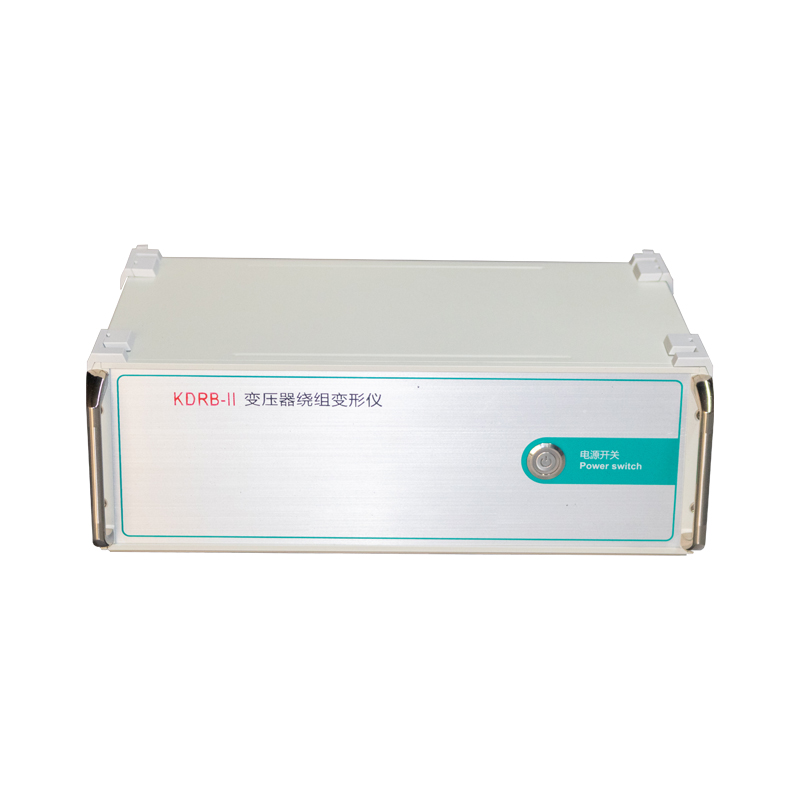
KDRB-Ⅱ Transformer Winding Deformation Tester (Frequency Response Method)

KDRB-Ⅱ Transformer Winding Deformation Tester (Frequency Response Method)

Applications:

The KDRB-II Transformer Winding Deformation Tester is used to test power transformers with voltage ratings of 6kV and above, as well as other special-purpose transformers. During operation or transportation, power transformers inevitably suffer from various fault short-circuit currents or physical impacts. Under the strong electromagnetic forces generated by short-circuit currents, transformer windings may lose stability, leading to permanent deformation such as localized twisting, bulging, or displacement. This can seriously affect the safe operation of the transformer.

  • Response within
    24 hours

  • Free warranty
    12 month

  • On-line training
    Support

Profile:

The KDRB-II Transformer Winding Deformation Tester is used to test power transformers with voltage ratings of 6kV and above, as well as other special-purpose transformers. During operation or transportation, power transformers inevitably suffer from various fault short-circuit currents or physical impacts. Under the strong electromagnetic forces generated by short-circuit currents, transformer windings may lose stability, leading to permanent deformation such as localized twisting, bulging, or displacement. This can seriously affect the safe operation of the transformer.

The transformer winding deformation tester mainly detects the amplitude-frequency response characteristics of each winding of the transformer and compares the detection results longitudinally or horizontally. Based on the degree of change in the amplitude-frequency response characteristics, it determines whether the transformer windings have undergone deformation.

Features:

1. The KDRB-II Transformer Winding Deformation Tester includes two methods for measuring and diagnosing the windings of large and medium-sized transformers: the sweep frequency method and the low voltage impedance method, making it the first in the industry to offer both.

2. During testing, only the connection busbars need to be removed; all tests can be completed without lifting the transformer cover or disassembling the transformer.

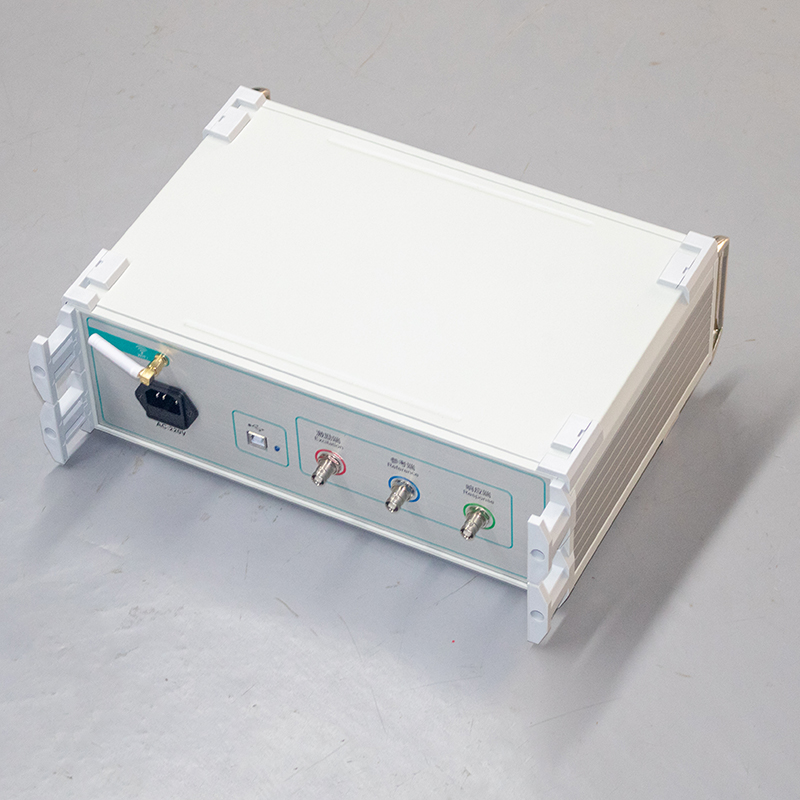
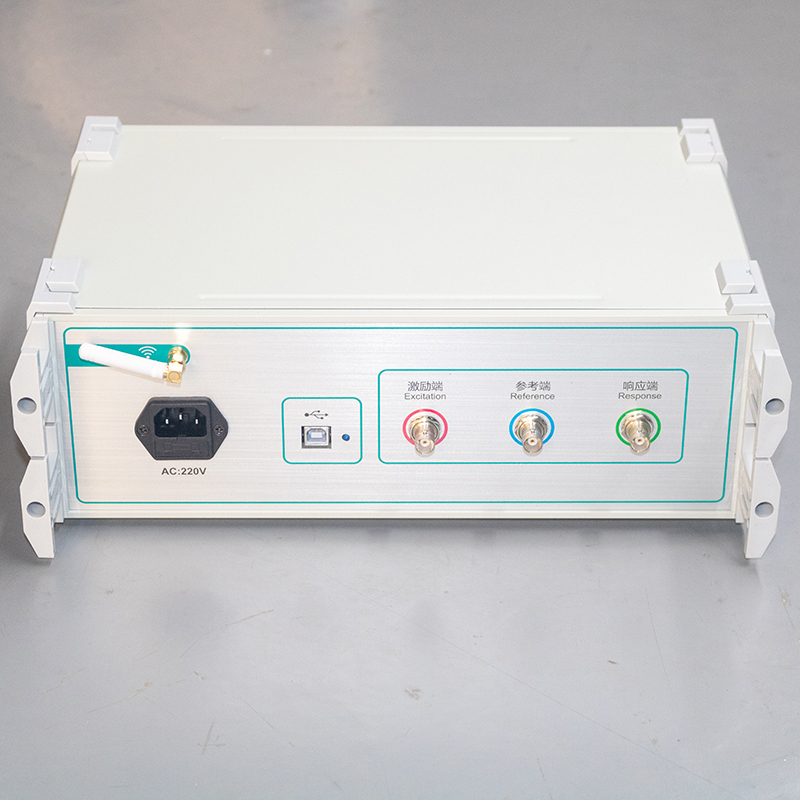
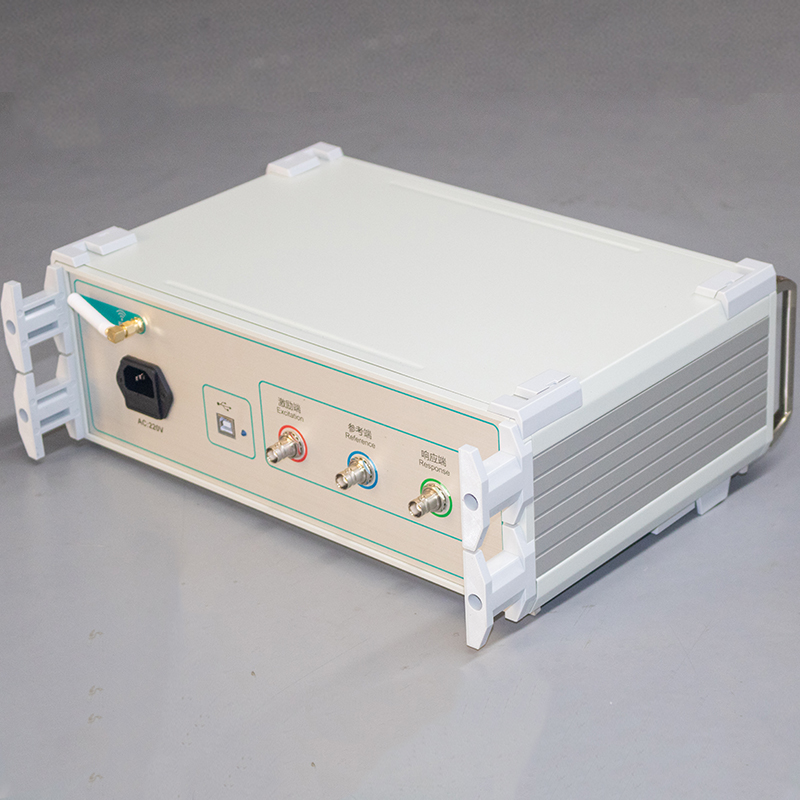
3. The instrument adopts a split structure, with the test host connected to the main control computer via USB or wireless Ethernet, allowing for plug-and-play functionality.

4. All connectors have fault tolerance, ensuring safe and simple on-site wiring.

5. The instrument has a high level of intelligence, making it easy to use. It is designed with an adaptive filter, featuring automatic range adjustment, automatic sampling frequency adjustment, and other functions.

6. The instrument uses high-speed, high-precision AD converters, ensuring high accuracy, stability, and repeatability in testing, with basic measurement precision better than 0.1%.

7. It is equipped with an expert diagnostic system that can automatically diagnose the condition of transformer windings.

8. The analysis software is powerful, with software and hardware specifications meeting national standards DL/T911-2004 and DL/TXXX-2007.

Parameter:

1. Main Technical Specifications of the Frequency Sweep Measurement Section for the KGRB-II Transformer Winding Deformation Tester

1) Test Host and PC Interface: USB interface.

2) Excitation Signal Source: The instrument comes with a standard sine wave excitation signal, the signal output amplitude can be adjusted via software, with a maximum amplitude of ±10V and a signal output impedance of 50Ω.

3) Two High-Speed Parallel AD Conversion Channels: Maximum sampling rate per channel is 20Msps.

4) Quantization Precision of Acquisition Channels: 12 bits.

5) Maximum Static Error of Acquisition Channels: 0.5%.

6) Input Impedance of Acquisition Channels: 1MΩ.

7) Frequency Sweep Measurement Range: 1K-2MHz.

8) Scanning Method: Uses linear or logarithmic distribution frequency sweep measurement methods.

9) Frequency Accuracy of Scanning: The frequency accuracy of the sine signal output by the signal source is no more than 0.01%.

10) Frequency Points in Frequency Sweep Measurement: 1K-2MHz, with a maximum measurement point count of 3000 points.

11) Adopt Vittal Original Chassis.

12) Complies with National Electric Power Industry Standards: DL/T911-2004.

2. Main Technical Specifications of the Low Voltage Impedance Measurement Section for the KGRB-II Tester

1) Voltage Measurement Specifications:

a) Input Voltage Measurement: Measurement range: 25V—500V (direct measurement), usually uses AC240V or AC400V during impedance testing.

b) Maximum Voltage: 600V.

c) Basic Accuracy: 0.1%.

d) External PT Ratio: 1~10000.

2) Current Measurement Specifications:

a) Input Current Measurement: Measurement range: 0.5A—50A (direct measurement).

b) Maximum Current: 50A.

c) Basic Accuracy: 0.1%.

d) External CT Ratio: 1~10000.

e) Impedance Measurement Specifications:

f) Impedance Test Range: 0~100%.

g) Impedance Test Accuracy: 0.1%.

3) Power Measurement Specifications:

a) Power Measurement: Measurement range: 15W—10kW.

b) Active Power: 0.2% (power factor>0.5) 0.5% (power factor>0.01).

c) Reactive Power Accuracy: 0.5%.

d) Apparent Power Accuracy: 0.5%.

4) Power Factor Specifications:

a) Measurement Range: 0.000—±1.000.

b) Capacitive Load: + indicates leading power factor.

c) Inductive Load: - indicates lagging power factor.

d) Basic Accuracy: 0.5%.

e) Complies with National Electric Power Industry Standards: DL/TXXX-2004.